 previous print issues
No Fear, No Compromise, & No Surrender!
ThePortlandAlliance.org/middleeast
Active Community,
Cartoons, Cartoons by Shannon Wheeler, Clyde List, & Steve Amy
Columns, Commentary, Critiques, News Bytes,
Letters, and more!
|
Speaking |
|---|
 Navigation:
FrontPage / Activism /
BlogPortal / Calendar /
Ongoing Events
Donate / Flyer/
Pictures on Picasso:
picasaweb.google.com/
theportlandalliance /
PDX Music /
Poster / Subscribe /
Place Ad / Ad Rates /
Online Ads /
Advertising /
Twitter / News! /
Previous Issues /
Blog/ Myspace /
Facebook1 / Facebook2
Waterfront Blues Fest
Alliance on YouTube:
youtube.com/theportlandalliance
Features:
Joe Anybody!
Active Community /
A Few Words /
Arts & Culture /
Book Reviews! /
Breaking News /
Cartoons / Steve Amy /
Too Much Coffee Man /
Community Calendar /
Cover The Real News! /
Fifth Monday Labor Radio!
Jobs / Labor History /
Letters / Music /
NewsBytes /
Poetry/
Mike Hastie Poetics
Progressive Directory /
Secret Society /
Viewpoints & Commentary
Columns:
William Beeman /
Ellen Brown /
Shamus Cooke /
Tom Engelhardt /
Kucinich /
Michael Munk /
Myers / William Reed /
Mark Schwebke /
Norman Solomon /
Vorpahl /
Lawrence S. Wittner
Partners: ACLU
AFD / AFL-CIO
Alliance for Democracy
AMA / Backspace
B-MediaCollective Bread&Roses /
CIO / CAUSA/
CLG / Code Pink
Common Dreams /
CWA / DIA /
Democracy Now /
First Unitarian Church
FSP /ISO /
Jobs w\ Justice /
KBOO /Labor Radio /
LGBTQ / MRG / Milagro /
Mobile T's Cover the News
Mosaic / Move-On /
NWLaborPress
Occupy / OEA /
Occupy PDX /
Oregon Peace & Justice /
Peace House
Peace worker /
PCASC / PPRC /
Right 2 Dream Too /
Sisters of The Road
Street Roots / Skanner /
SocialistWorker.org /
The Nation / TruthOut /
The 99%
Urban League /
VFP / Voz
We Are Oregon
Whitefeather
Witness for Peace /
Topics: A-F
Arts & Culture /
AIPAC / Beatles /
Books /
Bradley Manning /
Cartoons /
Civil Rights / Coal /
Death Penalty / Drones /
Economic Justice /
Education /
Election 2012 /
Fascism /
Fair Trade / F-29 /
Environment /
Film / Fluoridation
Foreclosure /
Topics: G-R
Health Care / Homeless / Iraq
J-Street / Jill Stein /
Justice Party / Middle East /
Music /
Occupy Blog / Peace /
Persian / Police /
Post Office / Quotes
Topics: S-Z
STRIKE! / Theatre /
The Pongo Fund /
Torture / TPP /
Tri-Met / Union /
Unionresource / VDay /
Viewpoints
Visual Arts
Voices in Action
War & Peace /
Women / Writing /
WritingResource
Yell
Awaits Israel’s Approval for Water
By ISABEL KERSHNER
Rawabi, a heralded enterprise in the West Bank, lacks residents more than a year after its first 600 apartments were sold, becoming a cautionary tale about investing in the area.
The scenes from Gaza are indescribable. Whole families killed inside their homes. Hospitals attacked with the wounded still inside. Those trying to flee have nowhere to go, due to Israel’s and Egypt’s long-standing closure of Gaza’s borders. The Palestinian Center for Human Rights described this weekend’s Israeli military attack in the Shuja’iyah neighborhood as a “massacre.” United Nations Secretary General Ban Ki-Moon called it an “atrocious action.”
Collective punishment and targeting civilians are prohibited under international law. Further, the U.S. Leahy Law bars the U.S. from funding foreign military units and individuals where there is credible evidence that they took part in gross violations of human rights.
Please contact the White House and your representatives to protest the U.S. government’s continued support for Israel during an onslaught that has already killed hundreds of civilians, and to which there is no end in sight. Demand immediate enforcement of the Leahy Law in response to all reports of human rights violations, including war crimes, by the Israeli military in Gaza.
Thank you for taking action.
Tim Flanagan, Associate editor at The Alliance
http://www.ThePortlandAlliance.org/ccr

Smoke rises after an Israeli missile strike hits the Gaza Strip.
7 July 2014
Besieged Gaza – Occupied Palestine: Since June 12, 2014, Israel has launched a heinous attack against both Gaza and the West Bank. It has so far conducted more than 100 airstrikes against civilian targets in Gaza. Nine Palestinian civilians, including three women and two children, were wounded by shrapnel, and three civilians, including two children, were injured by the flying glass. Moreover, three civilians sustained bruises. Besides, a chicken barn, greenhouses, a country house, two barracks for fodders and sheep were destroyed, and 3000 chicks died. Israeli naval forces continue to target Palestinian fishermen in the Gaza waters. Therefore, Israel further aggravates the situation for Palestinians in Gaza, which has been under a brutal military siege for more than seven years and still going on.
South Park Brings Peace to the Middle East… For 10 Minutes
Arts & Culture, Torah With Attitude | November 20, 2013 by
"…And a small penised child shall lead them.
I have a confession. For all my self-proclaimed desire to rise above the profane, I absolutely love South Park. While the majority of this last season has been a bit of a disappointment for me, the creators of South Park offered up a true gem recently with the episode, “Ginger Cow. “ For most, I suspect this episode made little sense, but for those who are “in the know” this episode felt like an inside joke between the writers and its religious viewership.
For anyone who doesn’t know, the ginger cow is a real thing, although in more proper circles its called a red heifer. While I can’t speak for other religions, in Judaism the red heifer is a special sacrifice meant to purify the whole of Israel. The process for the cow’s sacrifice is complex, and to our modern sensibilities strange.The laws of the red heifer are often used as an example of laws that can’t be explained, and anyone that reads these laws can’t help but shake their head, laugh, and/or cry. To make things a bit odder, ginger cows don’t exist (maybe we sacrificed them all?) meaning we can’t become purified. Because of this, in order for the Temple to be rebuilt, or for the messianic era to arrive, a ginger cow would need to be born. And yes, there are people out there working on genetically producing one.
South Park’s usage of the red heifer was ingenious. It had enough truth in it to be offensive, but the topic is one that allows us to laugh at ourselves alongside the rest of the world. While the red heifer was an inside joke, the episode also featured a theme that many can appreciate. The coming of the ginger cow brings with it a never-before-seen peace in the Middle East. Unfortunately, when the different faiths learn that the prophecy they wanted was false, the peace crumbles. Here, the writers are making very interesting statements about the situation in the Middle East. South Park has the violence end because of the fulfillment of a prophecy that on its own doesn’t change anything, then when the prophecy is found to be false the fighting begins again. They are essentially calling out all the different parties in the Middle East conflict, saying that since something as simple as a ginger cow could solve the problems between them, their fighting is unnecessary, yet this idea is either reinforced or countered by their warring again by the end of the episode. On a simple level, this shows that the parties are fighting for no reason. Yet, it could be making a different statement—one that I am more prone to agree with—in that it shows that there really isn’t a simple solution to the situation, that putting a Band-Aid on the problems would only result in a temporary peace.
Of course, I might just be reading my own ideas into the episode. Either way, “Ginger Cow” was an excellent episode, and a classic example of what makes South Park so great. And it has Van Halen."
http://newvoices.org/2013/11/20/south-park-brings-peace-to-the-middle-east-for-10-minutes/
-
Navigation:
The right to rebellion is the right to seek a higher rule... GEORGE ELIOT |
Speaking Truth to Power Since 1981! Support Alternative Media! |
And Checkout The Alliance Community Action Calendar
ThePortlandAlliance.org/communitycalendar
BREAKING NEWS AT THE ALLIANCE:
SYSTEM GRAVELY BROKEN:
RESPONSES TO CHASSE DISCIPLINE REVERSAL
beating death of James Chasse, Jr. were ordered to have their records
expunged and back payments made for the 80 hours each was suspended.
avoidable killings of innocent people will continue.
 For all we can know
The Universe begins and ends
in each of us,
in the reach of our own hands.
~From Time on Our Hands, by Max Linden Levy
Readings
The Birth of Light -- voice presentation fiction
Driver -- voice presentation poetry
Charlie's Dad-- voice presentation fiction
AlternativeNewsResource.org/ Behind the Headlines... Oregon News Links
TPA Community Meetings: theportlandalliance.org/communitymeetings
Shannon Wheeler's Too Much Coffee Man Portal at The Portland Alliance
Arts & Culture
Visual Arts, Music,
Theatre,
Cartoons, Movies,
Books, Writing
Community Calendar
 Local actions, events, rallies, etc.
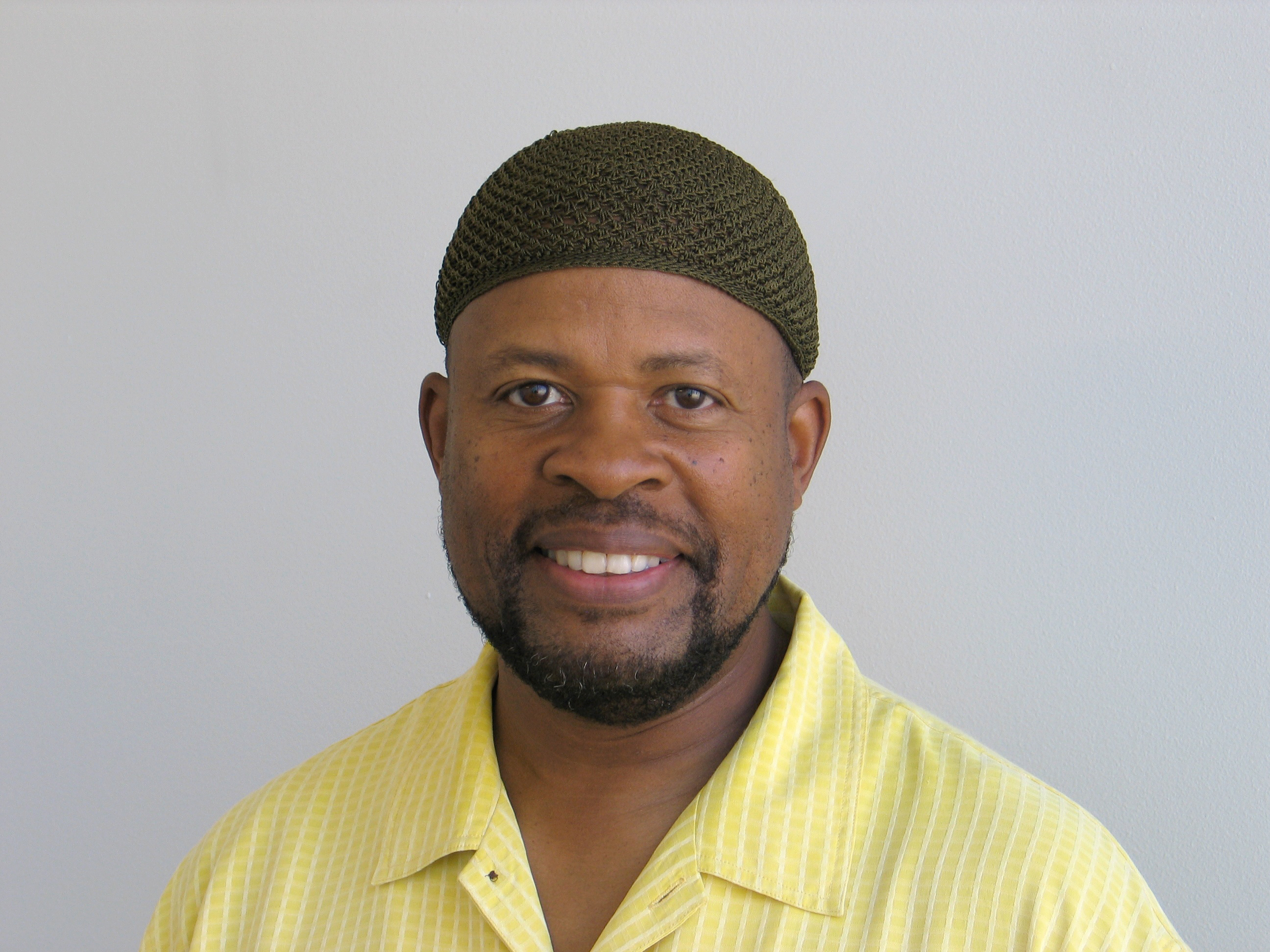
by Yugen Fardan Rashad


NW Alliance for Alt. Media & Education
(NAAME) dba The Portland Alliance:
Questions, comments, or suggestions: editor@theportlandalliance.orgWe Speak Truth to Power for the 99%
wordsmithcollection.blogspot.com/

Follow @ThePDXAlliance Contact us: Click Here!
Navigation: FrontPage / Activism / Interactive Calendar / Donate / Flyer / YouTube / Poster / Subscribe / Place Ad /
Ad Rates / Online Ads / Advertising / Twitter / News! / Previous Issues / Blog/ Myspace / Facebook1 / Facebook2
Features: Active Community / A Few Words /Arts & Culture / Breaking News / Jobs / / Labor History / Music / NewsBytes / Progressive Directory / Cartoons / Community Calendar / Letters / Poetry / Viewpoints & Commentary
Columns: William Beeman, Ellen Brown, Engelhardt / Dennis Kucinich / Michael Munk / Myers /
William Reed / Mark Schwebke / Norman Solomon / Vorpahl / Wittner
Partners: AFD / AMA / B-MediaCollective / Bread&Roses / CAUSA/ CLG/ Common Dreams / CWA / DIA / FSP /ISO / Jobs w\ Justice / KBOO / Labor Radio / LGBTQ / MRG / Milagro / Mosaic / Move-On / NWLaborPress / Occupy /
OEA / Occupy PDX / Peace House / The 99% / Peace worker / PCASC / PPRC / Right 2 Dream Too /
Street Roots / Skanner / The Nation / TruthOut / Urban League / VFP / Voz /
Topics: A-F AIPAC / Civil Rights / Coal / Death Penalty / Education / Election 2012 / Fair Trade / F-29 / Environment / Foreclosure /
Topics: G-R Health / Homeless / J-Street / Middle East / Occupy Blog / Peace / Persian / Police / Post Office/ Quotes
Topics: S-Z STRIKE! / Tri-Met / Union / VDay / War & Peace / Women / Waterfront Blues Festival /
Writing / WritingResource
Coming Soon: Service Directory / Editing / Flyers / Ground View / Flying Focus / Literacy / Rashad
The Portland Alliance: Phone: (Cell) (503)-697-1670
Production office: 2228 West Kent Avenue / MSLA, MT 59801
Questions, comments, suggestions: editor@theportlandalliance.org or ThePortlandAlliance@gmail.com
© 1981-2018 NAAME NW Alliance for Alternative Media & Education, dba The Portland Alliance:
All Rights Reserved. A 501C3 Oregon Non-profit Corporation for Public Benefit
Support local media:
B-MediaCollective / Cover The Real News! /Joe Anybody
The Asian Reporter | Kboo | Oregon Peaceworker | Portland.Indymedia.org | The Skanner