 previous print issues
No Fear, No Compromise, & No Surrender!
Please note: The Alliance Production office at 5926 N. Albina Avenue closed Sept. 30, 2012 and reopened as a home for some B-Media people. To go back into print requires funding and volunteers who care about Speaking Truth to Power and distressing Portland's elites. Help preserve radical, counter-cultural, cutting-edge, alternative, underground media! More

http://www.ThePortlandAlliance.org/deathpenalty
Active Community,
Cartoons, Cartoons by Shannon Wheeler, Clyde List, & Steve Amy
Columns, Commentary, Critiques, News Bytes,
Letters, and more!
|
Speaking |
|---|
 Navigation:
FrontPage / Activism /
BlogPortal / Calendar /
Ongoing Calendar Events
Donate / Flyer/
Pictures on Picasso:
picasaweb.google.com/
theportlandalliance /
PDX Music /
Poster / Subscribe /
Place Ad / Ad Rates /
Online Ads /
Advertising /
Twitter / News! /
Previous Issues /
Blog/ Myspace /
Facebook1 / Facebook2
Waterfront Blues Fest
Alliance on YouTube:
youtube.com/theportlandalliance
Features:
Joe Anybody!
Active Community /
A Few Words /
Arts & Culture /
Book Reviews! /
Breaking News /
Cartoons / Steve Amy /
Too Much Coffee Man /
Community Calendar /
Cover The Real News! /
Fifth Monday Labor Radio!
Jobs / Labor History /
Letters / Music /
NewsBytes /
Poetry/
Mike Hastie Poetics
Progressive Directory /
Secret Society /
Viewpoints & Commentary
Columns:
William Beeman /
Ellen Brown /
Shamus Cooke /
Tom Engelhardt /
Kucinich /
Michael Munk /
Myers / William Reed /
Mark Schwebke /
Norman Solomon /
Vorpahl /
Lawrence S. Wittner
Partners: ACLU
AFD / AFL-CIO
Alliance for Democracy
AMA / Backspace
B-MediaCollective Bread&Roses /
CIO / CAUSA/
CLG / Code Pink
Common Dreams /
CWA / DIA /
Democracy Now /
First Unitarian Church
FSP /ISO /
Jobs w\ Justice /
KBOO /Labor Radio /
LGBTQ / MRG / Milagro /
Mobile T's Cover the News
Mosaic / Move-On /
NWLaborPress
Occupy / OEA /
Occupy PDX /
Oregon Peace & Justice /
Peace House
Peace worker /
PCASC / PPRC /
Right 2 Dream Too /
Sisters of The Road
Street Roots / Skanner /
SocialistWorker.org /
The Nation / TruthOut /
The 99%
Urban League /
VFP / Voz
We Are Oregon
Whitefeather
Witness for Peace /
Topics: A-F
Arts & Culture /
AIPAC / Beatles /
Books /
Bradley Manning /
Cartoons /
Civil Rights / Coal /
Death Penalty / Drones /
Economic Justice /
Education /
Election 2012 /
Fascism /
Fair Trade / F-29 /
Environment /
Film / Fluoridation
Foreclosure /
Topics: G-R
Health Care / Homeless / Iraq
J-Street / Jill Stein /
Justice Party / Middle East /
Music /
Occupy Blog / Peace /
Persian / Police /
Post Office / Quotes
Topics: S-Z
STRIKE! / Theatre /
The Pongo Fund /
Torture / TPP /
Tri-Met / Union /
Unionresource / VDay /
Viewpoints
Visual Arts
Voices in Action
War & Peace /
Women / Writing /
WritingResource
Yell
|
An Alliance Portal on the Death Penalty
Capital Punishment, death penalty, judicial homicide, assassination, bloodshed, bumping off, carnage, execution, extermination, manslaughter, massacre, slaughter, slaying, mob justice, stringing up, the gallows, vigilante justice, vengeance, murder by any other name. The Death Penalty
More on the Death Penalty, Judicial Homicide, and Killing both Innocent and Guilty Prisoners… On Killing prisoners:
“Since I was a law student, I have It is severely discriminatory We need to kill the death penalty, not people. 1) Democracy.
The death penalty is totalitarian. I don’t want anyone killed  in my name, in our name. in my name, in our name.When the government prosecutes, convicts, sentences, and executes defendants, we the people are the plaintiff. Rabbi Abraham Joshua Heschel famously said that in a democracy, not all are at fault, but everyone is responsible. The current system enforces that we citizens are co-responsible for our fellow citizens’ state-sanctioned murder, which is more akin to fascism than democracy. I dissent. .  2) Barbarism. 2) Barbarism.The death penalty is barbaric and an antiquated, regressive, “cruel and unusual” punishment. With all of our advances in the sciences, sociology, psychology, education, technology, and so on, we should have more socially-effective, non-lethal, civilized techniques to punish (and rehabilitate) criminals, while protecting the rest of society. Professor Austin Sarat estimates that “executions by lethal injection are botched at a higher rate than any of the other methods employed since the late 19th century, 7 percent.” .  3) Cost. 3) Cost.The death penalty is quite expensive and life imprisonment can be cheaper. Over the lifetime of a case, executing prisoners can be three times as expensive as life in prison, primarily due to the higher costs of capital punishment trials, automatic appeals, and the heightened security on death row with lower staff-to-prisoner ratios. Commuting all death sentences to life in prison would save hundreds of millions of dollars per year in the U.S. and many billions over the coming decades.  . 4) Deterrence. The death penalty doesn’t have a deterrent factor and doesn’t decrease crime. States with the death penalty do not have lower homicide rates. Many criminals don’t get caught, most criminals don’t receive the death penalty, and those who do are typically on death row for a long time, often at least a decade and sometimes more, so would-be criminals don’t typically make a connection between their crime and capital punishment. We cannot conclude that the death penalty has any deterrent effect on crime, including murder. .  5) Brutalization Effect. 5) Brutalization Effect.The death penalty is brutal on society. The brutalization effect suggests that when violence is condoned via the death penalty, more violence occurs. Homicide rates tend to increase around the time of executions, due to legitimation, desensitization, and imitation. The death penalty makes society more dangerous by further increasing violence through the brutalization effect.  . 6) Civilization. The death penalty is uncivilized. Civilized countries have banned the death penalty as have 18 U.S. states, while the governments that maintain the death penalty are typically more corrupt and dictatorial ones (e.g., China, North Korea, Saudi Arabia, Iran, Iraq, Yemen; in the U.S., Texas leads in applying the death penalty by far, accounting for over 1/3 of U.S. executions). The U.S., as the only remaining Western country to regularly administer the death penalty, is in very bad company and the world knows it, even if many Americans don’t, which decreases the legitimacy of the U.S. on human rights issues.  . 7) Innocence. Innocent people are on death row and innocent people have been put to death. These are irreversible tragedies. A recent study concludes that 4% of people on death row in America are not guilty. Since 1973, 144 prisoners on death row have been found to be innocent of the crimes for which they were convicted. The Death Penalty Information Centre strongly suspects that ten prisoners who were put to death were wrongly accused and killed. .  8) Racism. The death penalty is racist racially-discriminatory ways. African Race is a “potent influence” at every step in the criminal (in) justice system,
Capital Punishment Abolish the Death PenaltyHow many western industrialized nations in the world today kill prisoners, murder citizens, put children to death, and exterminate the mentally-ill? This Only Happens in America…
|
|||


 It’s an uphill battle… but the only way to stop killing, is to stop killing.
 |
|
|
The death penalty condemns the innocent to die.
|
|

BREAKING NEWS AT THE ALLIANCE:
SYSTEM GRAVELY BROKEN:
RESPONSES TO CHASSE DISCIPLINE REVERSAL
the brutal beating death of James Chasse, Jr. were ordered to have their records expunged and back payments made for the 80 hours each was suspended.
avoidable killings of innocent people will continue.
For all we can know
The Universe begins and ends
in each of us,
in the reach of our own hands.
~From Time on Our Hands, by Max Linden Levy
Readings
A Tasty Fruit - voice presentation poetry
The Birth of Light -- voice presentation fiction
Driver -- voice presentation poetry
Charlie's Dad-- voice presentation fiction
AlternativeNewsResource.org/
Behind the Headlines... Oregon News Links
TPA Community Meetings: theportlandalliance.org/communitymeetings
Shannon Wheeler's Too Much Coffee Man Portal at The Portland Alliance
Arts & Culture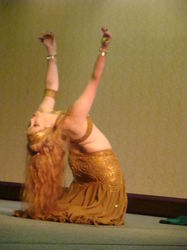

Visual Arts, Music,
Theatre,
Cartoons, Movies,
Books, Writing
Community Calendar
 Local actions, events, rallies, etc.
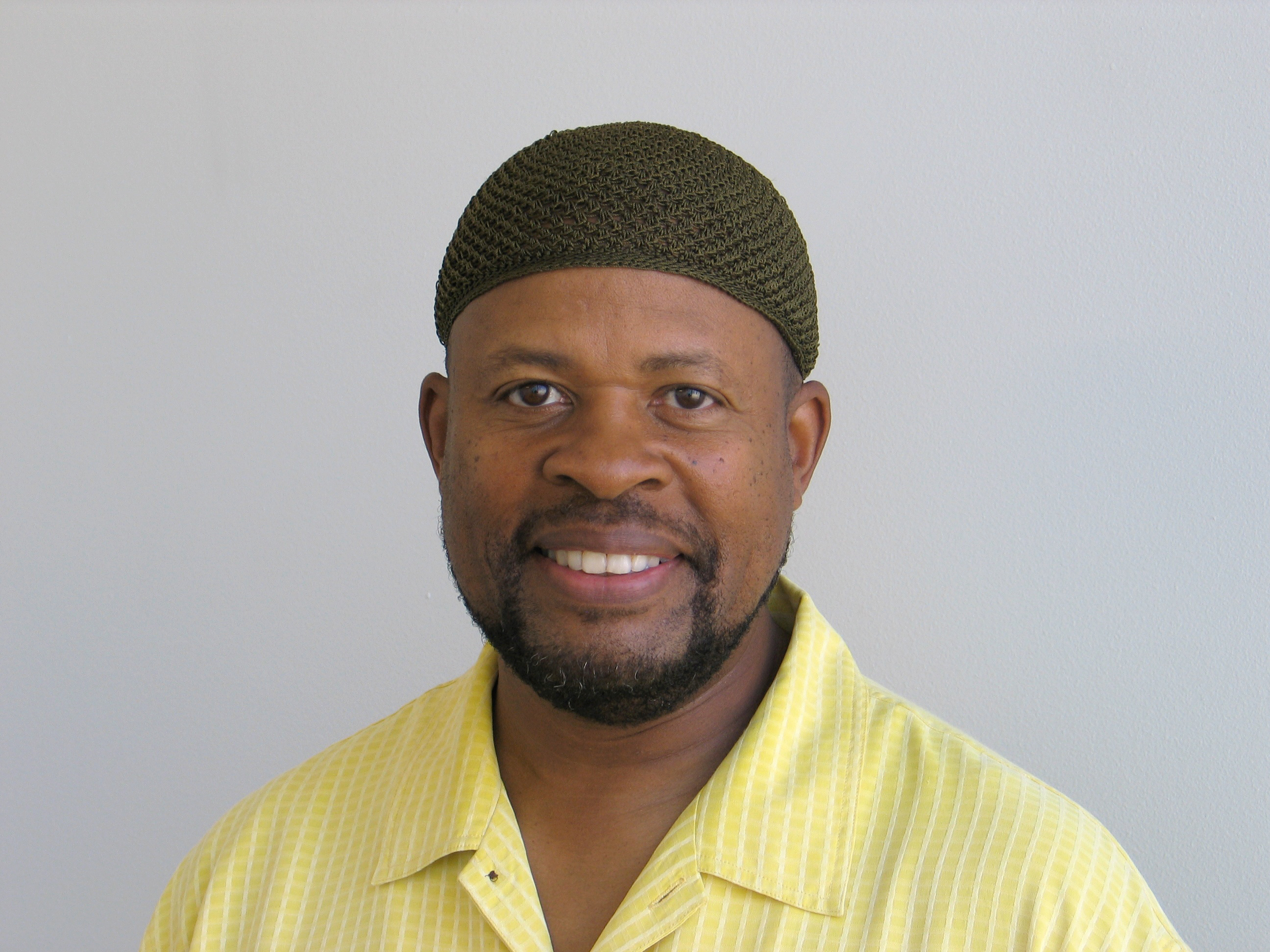
by Yugen Fardan Rashad


NW Alliance for Alt. Media & Education
(NAAME) dba The Portland Alliance:
Questions, comments, or suggestions: editor@theportlandalliance.orgWe Speak Truth to Power for the 99%
wordsmithcollection.blogspot.com/
Follow @ThePDXAlliance
Contact us: Click Here!
Navigation: FrontPage / Activism / Interactive Calendar / Donate / Flyer / YouTube / Poster / Subscribe / Place Ad /
Ad Rates / Online Ads / Advertising / Twitter / News! / Previous Issues / Blog/ Myspace / Facebook1 / Facebook2
Features: Active Community / A Few Words /Arts & Culture / Breaking News / Jobs / / Labor History / Music / NewsBytes / Progressive Directory / Cartoons / Community Calendar / Letters / Poetry / Viewpoints & Commentary
Columns: William Beeman, Ellen Brown, Engelhardt / Dennis Kucinich / Michael Munk / Myers /
William Reed / Mark Schwebke / Norman Solomon / Vorpahl / Wittner
Partners: AFD / AMA / B-MediaCollective / Bread&Roses / CAUSA/ CLG/ Common Dreams / CWA / DIA / FSP /ISO / Jobs w\ Justice / KBOO / Labor Radio / LGBTQ / MRG / Milagro / Mosaic / Move-On / NWLaborPress / Occupy / OEA / Occupy PDX / Peace House / The 99% / Peace worker / PCASC / PPRC / Right 2 Dream Too /
Street Roots / Skanner / The Nation / TruthOut / Urban League / VFP / Voz /
Topics: A-F AIPAC / Civil Rights / Coal / Death Penalty / Education / Election 2012 / Fair Trade / F-29 / Environment / Foreclosure /
Topics: G-R Health / Homeless / J-Street / Middle East / Occupy Blog / Peace / Persian / Police / Post Office/ Quotes
Topics: S-Z STRIKE! / Tri-Met / Union / VDay / War & Peace / Women / Waterfront Blues Festival /
Writing / WritingResource
Coming Soon: Service Directory / Editing / Flyers / Ground View / Flying Focus / Literacy / Rashad
The Portland Alliance: Phone: (Cell) (503)-697-1670
Questions, comments, suggestions: editor@theportlandalliance.org or ThePortlandAlliance@gmail.com
© 1981-2019 NAAME NW Alliance for Alternative Media & Education, dba The Portland Alliance:
All Rights Reserved. A 501C3 Oregon Non-profit Corporation for Public Benefit
Support local media:
B-MediaCollective / Cover The Real News! /Joe Anybody
The Asian Reporter | Kboo | Oregon Peaceworker | Portland.Indymedia.org | The Skanner